
Self-driving cars are not a future idea anymore. In 2026, you can see them on Texas roads every day. Companies like Waymo and Tesla run real passenger and freight routes in Austin and other cities. The technology gets better each year. So does the number of crashes, federal investigations, and lawsuits tied to it.
This article covers what the latest data shows about self-driving car safety, who may be at fault when something goes wrong, and what Austin crash victims need to know about Texas law, saving evidence, and the money you may be able to recover. We update it as new numbers, federal investigations, and Texas news come out.
Whether you’re researching the technology, thinking about filing a claim, or trying to understand how Texas handles these cases, the sections below cover what matters most.
How Self-Driving Car Cases Are Different from Regular Car Accidents
A self-driving car case is not a regular car accident case. The legal questions are different. The defendants are different. The evidence is different. And the timeline is different.
Here’s what makes them stand apart.
More than one defendant. A regular car crash usually involves one or two drivers and their insurance companies. A self-driving car case can include the human driver, the car maker, the software developer, the sensor maker, the rideshare or robotaxi operator, and any third party that shaped the system’s behavior. Each defendant has its own lawyers and its own theory of why someone else is at fault.
Expert witnesses are critical. A regular case may need an accident reconstruction expert. A self-driving car case usually needs three or more — an accident reconstructionist, a software engineer who can read code and software logs, and a self-driving systems specialist who can explain what the car “saw” and “decided” in the seconds before the crash. These experts are expensive, but their work is often the difference between a strong case and a thin one.
Discovery takes longer. Discovery is the phase where each side asks for documents and information. In a self-driving car case, this can include design records, software version histories, training data, internal safety reports, and crash test results — much of which the manufacturer will fight to keep private. Cases routinely take longer than regular crash cases as a result.
Settlement strategy is different. Insurance companies negotiate regular car crash claims every day. Self-driving car claims are still rare enough that defendants often handle them more aggressively, sometimes with national defense firms. That doesn’t have to be bad news for victims — strong evidence and patient counsel can produce strong results — but it does mean the case calls for a lawyer who has worked these specific issues.
What Evidence Matters Most
In a self-driving car case, the evidence that decides the outcome is mostly digital — and most of it lives on systems the manufacturer controls.
Event Data Recorder (EDR) data. Like an airplane’s black box, but for the car. Captures speed, braking, steering, and system status in the seconds before and after the crash.
Manufacturer telemetry. Sensor data, decision logs, and software state at the time of the crash. This is usually the single most important evidence, and it’s the most at risk of being overwritten.
Software version history. What version of the self-driving software was running, and what known issues that version had.
Dash cam, surveillance, and traffic camera footage. In urban areas like Austin, multiple camera systems may have captured the crash from different angles.
Cellphone and rideshare records. Time, location, and trip data that can confirm where each party was and what they were doing.
Witness statements. From other drivers, pedestrians, and any passengers who were in the self-driving car.
The window to preserve much of this evidence can close fast. A formal preservation letter to the manufacturer is often the first protective step a lawyer takes after being hired.
Robotaxi Crashes vs. Personal Self-Driving Crashes
These two situations look similar from the outside but follow different legal paths in Texas.
Robotaxi crashes (Waymo and similar fleets). The car has no human driver. The fleet operator is a commercial enterprise running passenger service for profit. Liability tends to flow toward the operator and the manufacturer under product liability and commercial carrier theories. These cases work more like Uber and Lyft accident cases, with the added product liability layer for the technology itself.
Personal self-driving crashes (Tesla Autopilot, Full Self-Driving, and similar). A human driver is still in the seat and is still legally responsible for the car under Texas law. Liability tends to flow toward the driver first, with product liability claims against the manufacturer when the system itself failed or was misrepresented.
Knowing which path your case is on shapes everything that follows — who to sue, what evidence matters, what insurance applies, and how settlement is likely to be structured.
KEY TAKEAWAY
Self-driving car cases involve more defendants, more expert witnesses, longer discovery, and digital evidence that can disappear fast. The two most common patterns — robotaxi crashes and personal self-driving crashes — follow different legal paths in Texas, which is why these cases benefit from a lawyer who has handled the specific issues.
How Often Do Self-Driving Cars Crash?
There are three main sources of self-driving car crash data, and each one is updated on a regular schedule.
NHTSA’s Standing General Order (SGO). This is a federal program. It requires car companies to report crashes involving Level 2 driver-assist systems and Level 3 to 5 self-driving systems. NHTSA publishes the data monthly.
California DMV Autonomous Vehicle Collision Reports. California requires every company testing or running self-driving cars in the state to file a crash report. The DMV puts the full database online. As of early 2026, it includes hundreds of crashes per year.
Manufacturer disclosures. Companies like Waymo publish their own safety data from time to time. These don’t always match the government numbers because the companies use their own definitions.
A few patterns show up across all three sources:
Most reported crashes are low-speed. Parking lot bumps, slow-speed rear-end events, and pickup or drop-off scuffles make up most of the totals.
Many serious crashes involve human drivers, not the self-driving car. In several high-profile cases, the self-driving car was rear-ended or hit by a human-driven car.
Severe crashes cluster around specific situations. Emergency vehicle response, unprotected turns, and pedestrian crossings cause a large share of injuries and deaths.
Tesla Autopilot reports outnumber every other company combined. This reflects fleet size more than per-mile risk. But the raw numbers in NHTSA’s monthly data are still large.
Year-over-year, both crashes and miles driven keep climbing. More self-driving cars are on the road every year. Per-mile crash rates are still debated — different sources measure them differently.
The honest read: self-driving cars are not yet clearly safer than human drivers in every situation. The 94% of regular crashes blamed on human error (NHTSA) is the bar self-driving technology is trying to beat.
Why Do Self-Driving Cars Crash?
A few causes show up over and over in NHTSA, DMV, and lawsuit records.
Software and Sensor Errors
Self-driving cars use lidar, radar, cameras, and decision software all working together. If any layer fails — a wrong object label, a bad lane line, a sensor blinded by sun glare — the car may stop suddenly, swerve, or miss something in its path.
Driver Error
In Level 2 systems like Tesla Autopilot, the human driver is still legally responsible. Many crashes happen when the driver trusts the system too much, looks away, or doesn’t take back control in time. NHTSA has flagged this pattern over and over.
Cybersecurity Issues
Self-driving cars are connected to the internet. Any connected system can be attacked. Researchers have shown attacks on sensors, GPS spoofing, and over-the-air update interception. Real-world attacks are rare but documented.
Weather and Road Conditions
Heavy rain, fog, glare, and snow hurt sensor performance. In Texas, sudden storms and long stretches of unmarked rural road are extra challenges.
Road Infrastructure
Faded lane markings, construction zones, odd intersections, and missing signs can confuse self-driving systems. Austin’s mix of fast-changing streets and active construction is a tough environment for these cars.
Most real crashes don’t have just one cause. They’re combinations. A faded lane line plus heavy rain plus a software error plus a slow human takeover can stack up into a serious crash.
KEY TAKEAWAY
Self-driving car crashes rarely come from one isolated failure. They usually combine software errors, human over-trust, weather, and road conditions. That’s why investigating one of these cases takes expert reconstruction, software forensics, and access to the manufacturer’s testing records.
Who Is Liable in a Self-Driving Car Crash?
A self-driving car crash often involves more than one party. Each one may have separate legal exposure.
Product Liability
Under Texas Civil Practice and Remedies Code Chapter 82, the maker of a defective product can be held responsible when the defect causes injury. In a self-driving car crash, that may include the car maker, the software developer, the sensor supplier, or even the company that sold the system to the public.
Driver Responsibility
In Level 2 systems where a human is still in the driver’s seat, the driver is still legally responsible for the car — even if Autopilot or a similar feature was on. Texas’s comparative fault rule applies.
Other Drivers
Many self-driving car crashes involve a regular car. The human driver of that other car may share or hold full responsibility.
Government and Roads
In rare cases, a road defect, a missing sign, or a city infrastructure problem may be part of the cause. But Texas has strong governmental immunity rules that limit these claims.
Fleet Operators and Rideshare Platforms
Robotaxi companies like Waymo, and rideshare-deployed self-driving cars, add a layer of commercial liability. These cases work like Uber and Lyft accident cases.
Working out who’s at fault in a self-driving car case usually takes expert reconstruction, software and telemetry forensics, and discovery into how the manufacturer designed and tested the system. These are not regular car accident cases.
What Does Texas Law Say About Self-Driving Car Crashes?
Texas treats self-driving car crashes like any other serious car accident — but with an extra product liability layer because of the technology.
A few Texas rules matter most.
The 51% comparative fault rule. Under Texas Civil Practice and Remedies Code § 33.001, you can only recover damages if you are 50% or less at fault for the crash. If a court or jury finds you 51% or more at fault, you recover nothing.
The two-year deadline. Texas gives you two years from the date of the crash to file a personal injury lawsuit (Tex. Civ. Prac. & Rem. Code § 16.003). Wrongful death claims have the same two-year window. Miss the deadline, and the claim is usually gone for good.
Texas product liability law. Chapter 82 of the Texas Civil Practice and Remedies Code covers claims against manufacturers — including car makers and software developers — when a defective product hurts someone. Self-driving car crashes often trigger this framework. The defect may be in the sensors, the software, or how the system was sold to the driver.
These rules sit inside the broader framework of Texas personal injury law, which covers every kind of car accident on Texas roads.
KEY TAKEAWAY
Texas treats self-driving car crashes as personal injury cases with a product liability layer on top. The 51% comparative fault rule, the two-year filing deadline, and Chapter 82’s product liability law are the three rules that most often shape whether — and how much — an injured person can recover.
Recent Self-Driving Car News in Texas (2025-2026)
Texas has been at the center of the self-driving car conversation. A few stories from late 2025 and early 2026 are worth flagging.
Austin ISD and Waymo (January 2026). After Waymo robotaxis were tied to 24 violations near school bus stops, Austin ISD asked the company to stop operating near schools. LGR Lawfirm’s Tray Gober was quoted by KVUE and WFAA on the safety issues.
Self-driving cars and emergency response (March 2026). A widely reported Austin incident — a self-driving car blocking an ambulance — restarted the debate about how these cars handle emergency vehicles. Tray Gober’s commentary appeared in the Texas Tribune, Insurance Journal, and Dallas Observer.
Tesla federal investigation (March 2026). The Washington Examiner reported on a federal investigation into Tesla’s self-driving feature, with Tray quoted on what it could mean for lawsuits.
Self-driving truck liability (January 2026). FreightWaves covered the growing product liability risk tied to self-driving truck rollouts — directly relevant to the I-35 freight corridor.
The takeaway: self-driving car rules, technology, and liability are still changing fast. What was settled two years ago may not be settled today.
What to Do After a Self-Driving Car Crash in Austin
If you’re hurt in a crash with a self-driving or partly automated car, the first hours and days matter — sometimes more than they would in a regular crash. Sensor data, telemetry, and software logs can be erased. Manufacturer records aren’t always saved unless someone tells the company to save them.
Practical steps:
1. Call 911 and report the crash. A police report with diagrams, vehicle ID, and any visible self-driving equipment (lidar pods, camera arrays, manufacturer logos) is foundational evidence.
2. Get medical attention right away. Even if injuries feel minor, get checked out. Insurers regularly use treatment gaps to argue an injury wasn’t from the crash.
3. Document the scene yourself if you can. Take photos and video of the car, software branding, license plate, dashboard, and the road. These can support a claim later.
4. Don’t give recorded statements to the manufacturer’s rep or any insurer before talking to a lawyer. Self-driving car defendants are usually sophisticated and have practiced response plans.
5. Save your own data. Phone footage, dashcam files, and rideshare receipts can help rebuild the timeline.
6. Call a lawyer fast. A formal evidence preservation letter to the manufacturer can stop them from erasing telemetry data.
The same first steps apply to any Austin personal injury claim. But the time pressure on saving self-driving car data makes early legal help especially important.
KEY TAKEAWAY
The window to save sensor data, telemetry, and software logs after a self-driving car crash can close in hours or days. Calling 911, getting medical help, declining recorded statements, and contacting a lawyer fast are the steps that protect both your health and your potential claim.
What Compensation Can You Recover Under Texas Law?
Texas law allows several kinds of damages in a personal injury case, including self-driving car cases. The amount depends on the facts, how serious the injury is, and how strong the evidence is.
What may be available:
Medical bills — past and reasonably expected future care.
Lost wages and lost earning power — both immediate and long-term.
Pain and suffering — physical pain from the injury and treatment.
Mental anguish — emotional distress that meets Texas’s evidence rules.
Loss of consortium — for spouses and certain family members.
Property damage — repair or replacement of the car and personal property.
Punitive damages — only available in cases of gross negligence, fraud, or malice (Tex. Civ. Prac. & Rem. Code § 41.003).
Each category has its own proof requirements under Texas law. The full damages framework in any Texas personal injury claim covers the categories that come up most often, and a lawyer can help figure out which ones may apply to a specific self-driving car case.
What Are Your Rights and Next Steps?
Self-driving car cases are complex, and the law is still developing. If you or a loved one was hurt in a crash with a self-driving or partly automated car, the steps you take in the first days can shape how the whole case turns out.
LGR Lawfirm handles self-driving car cases as part of an experienced Austin personal injury team. Our firm is regularly quoted on self-driving car rules, federal investigations, and Texas news in national outlets including the Los Angeles Times, Texas Tribune, Insurance Journal, KVUE, WFAA, and the Washington Examiner.
If you have questions about a possible claim, contact us for a free consultation.
Frequently Asked Questions
Who is responsible for self-driving car crashes?
It depends on the situation. Responsibility may fall on the manufacturer, the software developer, the human driver (in Level 2 systems), another driver, or some combination. Texas’s comparative fault rule applies, and product liability claims often have more than one defendant.
How safe are self-driving cars compared to human drivers?
The data is mixed and still changing. Self-driving technology has shown safety advantages in some controlled situations. But real-world use keeps producing serious crashes — especially around emergency vehicles and pedestrians. Per-mile crash rates are still debated, and the numbers depend on how you count.
How many Waymo crashes have been reported?
As of early 2026, both NHTSA’s Standing General Order data and the California DMV crash database list a large number of Waymo-involved incidents, and the count keeps growing as the fleet expands. Most are low-speed or caused by another driver. But a meaningful share have involved more serious situations.
What is the most common cause of self-driving car crashes?
Across NHTSA and DMV reporting, the most common factors are driver misuse of Level 2 systems, software and sensor errors, and difficult road conditions. Most actual crashes involve a combination of these rather than just one cause.
Is the self-driving car crash rate higher than for human-driven cars?
Direct comparisons are hard because of differences in how crashes are measured, where the cars drive, and what data is available. The honest answer in 2026 is that self-driving cars are not yet clearly safer than human drivers in every situation. The picture is still changing as more cars hit the road.
Ready to Talk About Your Case?
If you’ve been hurt in a self-driving car crash in Austin, Terrell, or anywhere in Texas, LGR Law Firm is ready to review your case — with no cost, no pressure, and no obligation. You’ll walk away with a clearer understanding of your rights, what your case may be worth, and what it would look like to have LGR in your corner.
Call (512) 800-8000 for a free, no-obligation case review, or contact us online today.
This information is for educational purposes and does not constitute legal advice. Every case is unique — contact our office for a free consultation about your specific situation. Past results do not guarantee future outcomes.
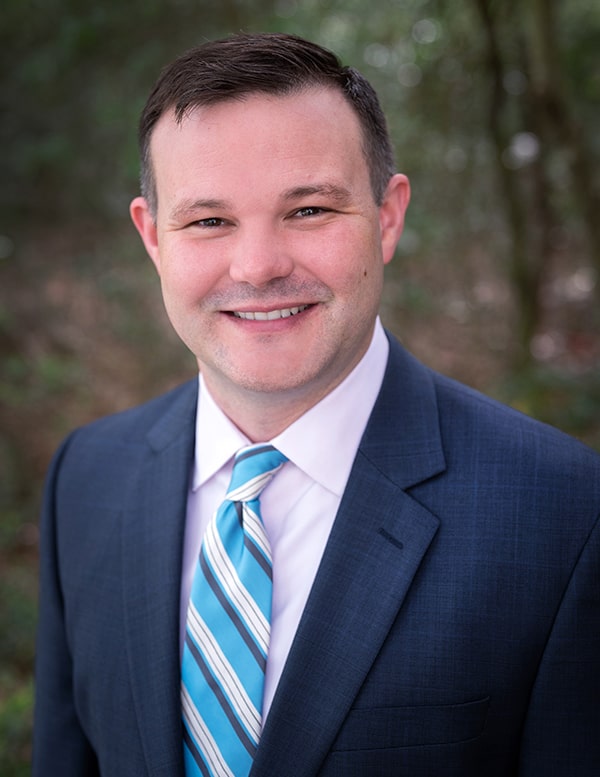
About The Author
Kenneth "Tray" Gober III, J.D., is the Managing Partner of Lee, Gober & Reyna, PLLC in Austin, Texas. A 2005 magna cum laude graduate of Texas A&M University and a cum laude graduate of Baylor Law School, Tray is admitted to the State Bars of Texas (Bar No. 24061986), Colorado, Louisiana and Pennsylvania. He is also admitted to the U.S. Supreme Court, U.S. Court of Appeals for the Fifth Circuit, U.S. District Court — Western District of Texas and U.S. District Court — Eastern District of Texas.
He represents personal injury clients across Texas in car accidents, truck accidents, autonomous vehicle claims, wrongful death, drunk driving collisions, premises liability, and product liability matters. He is one of Texas's most frequently quoted legal voices on the law surrounding autonomous vehicles and AI-driven transportation. Tray also served as an adjunct professor of Paralegal Studies at the University of Texas School of Law.